How to Master Reducing Gift Stress for Women Buying for Their Fathers
We've all been there. The calendar date looms, an invisible weight settling on your shoulders that feels disproportionate to any actual milestone. It’s the annual pressure cooker of gift-giving—a demanding ritual where the expectation is always perfect: thoughtful, unique, and expensive enough to signal deep affection. If you are a woman constantly navigating this emotional minefield, especially when trying to figure out what to get Dad (or your father), you know that feeling of paralysis. The stress of finding something that truly resonates with him, something that says, "I see you," can feel overwhelming.
But what if the solution wasn't about buying better gifts, but about changing how we think about them? Learning to manage those expectations is key to reducing gift stress for women buying for their fathers. This isn't just about shopping tips; it’s about shifting your perspective from transactional giving to genuine connection.
Shifting the Mindset: From Object Consumption to Experience Curation
The biggest hurdle in gift-giving is often that we treat gifts like trophies—objects that must prove our love or effort. If a gift doesn't come with an accompanying story or memory, we assume it failed. To counteract this, try viewing your role not as a retail expert, but as an experience curator.
When you reframe the task this way, the pressure drops instantly. Instead of hunting for the "perfect gadget" he might never use, you start looking for moments: a perfect Saturday afternoon spent doing something together. This simple shift is like trading a heavy anchor for a light kite—suddenly, the effort feels joyful rather than arduous.
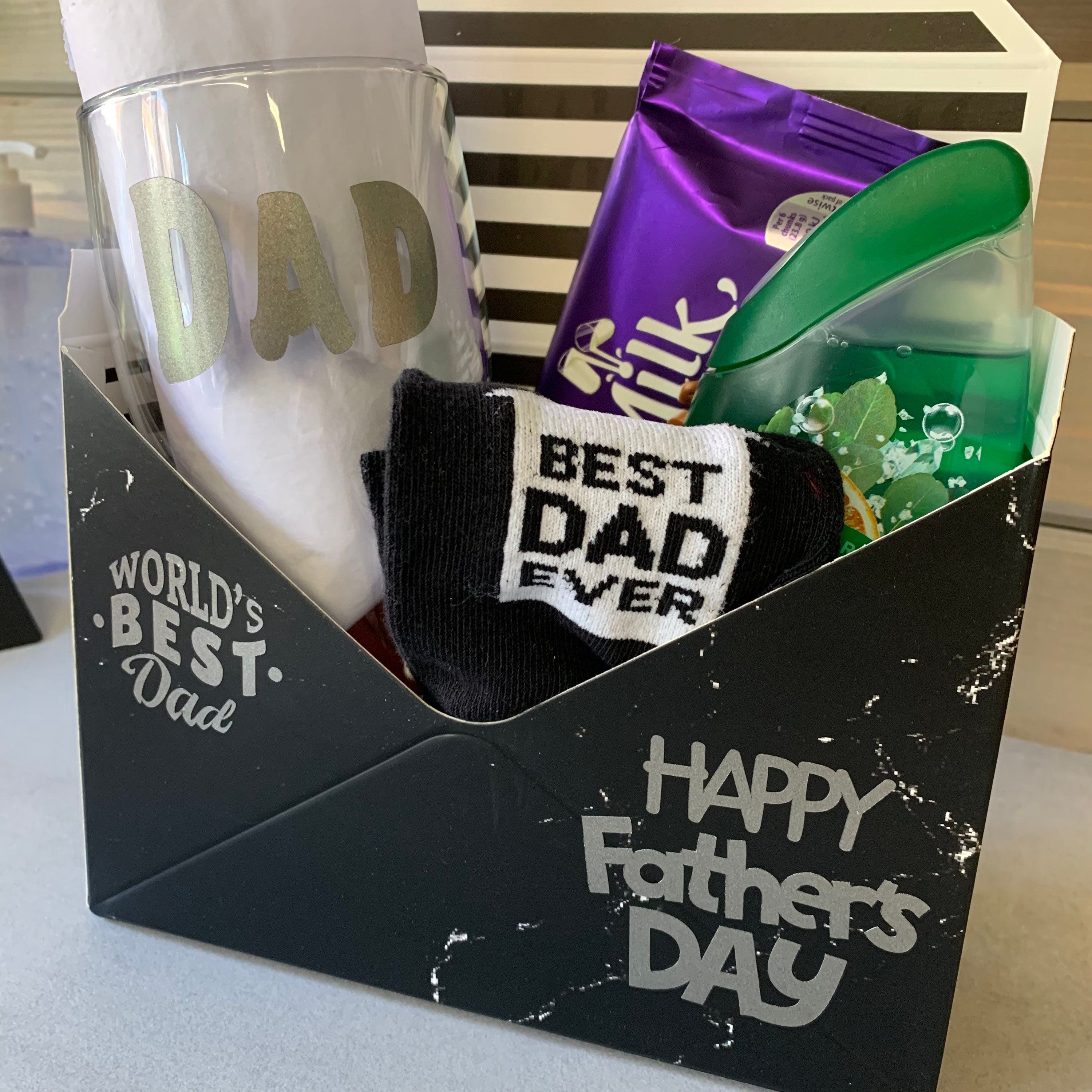
Consider this: Does his happiness depend on the retail value of an item, or on the quality of your time together? The answer to that question often provides the emotional relief you need when reducing gift stress for women buying for their fathers.
Decoding His Interests Without Interrogation
The worst part about gift shopping is the dreaded "What do you want?" question. It forces a man into an impossible corner, and the resulting vague answer—"Oh, anything"—is often more stressful than helpful. Instead of asking directly, become an anthropological observer for a week. Your goal is to gather data points on his passions that he might overlook himself.
- The Commute Audit: What podcasts does he default to? Does he read the local paper or scroll through tech news? These habits point to intellectual interests.
- The Observation Log: Is he complaining about something being uncomfortable, broken, or missing? That complaint is often a gift-buying roadmap. If he mentions needing new gardening gloves, that’s a tangible lead.
I once knew a friend who was utterly stumped trying to buy for her dad's retirement. She spent hours on Amazon, drowning in novelty items. Then, she remembered him complaining about the squeaky chair at his favorite coffee shop. The solution? A set of high-quality oiling sprays and some specialized tools—a gift related not to what he did, but to a small daily inconvenience that annoyed him. It was wonderfully specific, deeply observed, and totally stress-free to acquire.
Remember, the best gifts often solve minor problems or highlight existing passions, rather than introducing entirely new ones.
The Enduring Value of Time and Shared Attention
If you find yourself staring blankly at gift registries—a true symbol of modern consumerism—take a deep breath. The most powerful antidote to reducing gift stress for women buying for their fathers is often something intangible: shared time.
An experience gift requires zero guesswork, because the value isn't in the wrapping paper; it’s in the memory being forged right now. These gifts act like emotional investments that yield returns years down the line.
If a physical item feels too much like homework to acquire, consider these alternatives:
- Curated Day Out: Plan an itinerary around his favorite things (a museum visit followed by lunch at a specific spot).
- Skill Exchange: Sign up for a class you can do together—cooking, woodworking, or even mixology. This frames the gift as "an adventure with you," not just "stuff."
- The Memory Book: Compile photos and tickets from past events into a physical album. It requires care, but the effort speaks volumes.
As Maya Angelou once noted, "You can't control all the things that happen to us, but you can control how we respond to them." Gift-giving is one of those moments where our response (panic buying vs. thoughtful curation) matters most.
Building a Gift Culture of Connection
Ultimately, gift-giving should feel like a celebration, not an exam. The goal isn't perfection; it’s presence. When you approach the task with empathy for yourself—acknowledging that this is hard and often feels arbitrary—you instantly deflate 80% of the stress.
Instead of seeing every dollar spent as proof of love, view it as participation in a beautiful family ritual. The effort you put into planning how you will give the gift can be more valuable than the item itself. Take time to write a heartfelt card Extra resources explaining why you chose that specific experience or object. That explanation is the true treasure.

Moving forward, approach your relationships not as collections of potential gifts, but as ongoing narratives Click here for info rich with shared moments. Focus on building those connective threads throughout the year so that when gift-giving season rolls around, it feels less like a frantic checklist and more like a natural extension of genuine appreciation.
Start by celebrating the small things: A favorite coffee shop visit, an unexpected call just to chat, or simply taking over his dinner duties for one night—these acts build up a reservoir of goodwill that makes any gift feel effortless and deeply meaningful.